

Vendemmia 2026 – some first impressions
It’s now mid-October. Climate change means that for many winegrowers the 2026 grape harvest (Vendemmia) started even earlier. It’s now coming to an end across most Italian regions, as it is across Europe.
Hence, it’s meaningful to provide insights from individual wine producers and understand their challenges. How has this year’s weather has affected their grapes, in quality and quantity? For some, the first wines are now in creation. For all, its still early days.
Here then are reflections on Vendemmia 2026 by some personal favourites that have previously appeared in these pages. This also presents the opportunity to provide links to those articles previously written about them. Here’s another chance to see, as BBC Television used to say.
This piece does not attempt to be definitive or cover every region, which would be both a lengthy and meaningless task. And it’s certainly folly to predict how any wine will eventually turn out. Rather, it’s a snapshot based on the experiences of some admirable winegrowers thus far.
Once again, the weather throughout the year has presented existential challenges in the growing climate emergency. Whether these be violent thunderstorms and severe flooding, or seemingly endless heatwaves with record temperatures, droughts and wildfires. Yet the hallmark of great winegrowers is how they face and overcome adversity. These days, with extreme weather events becoming ever more frequent, severe and unpredictable, there’s no such thing a deckchair vintage.1
Here then are nine first impressions from Italian vineyards, tracking roughly from north to south.
Alto Adige
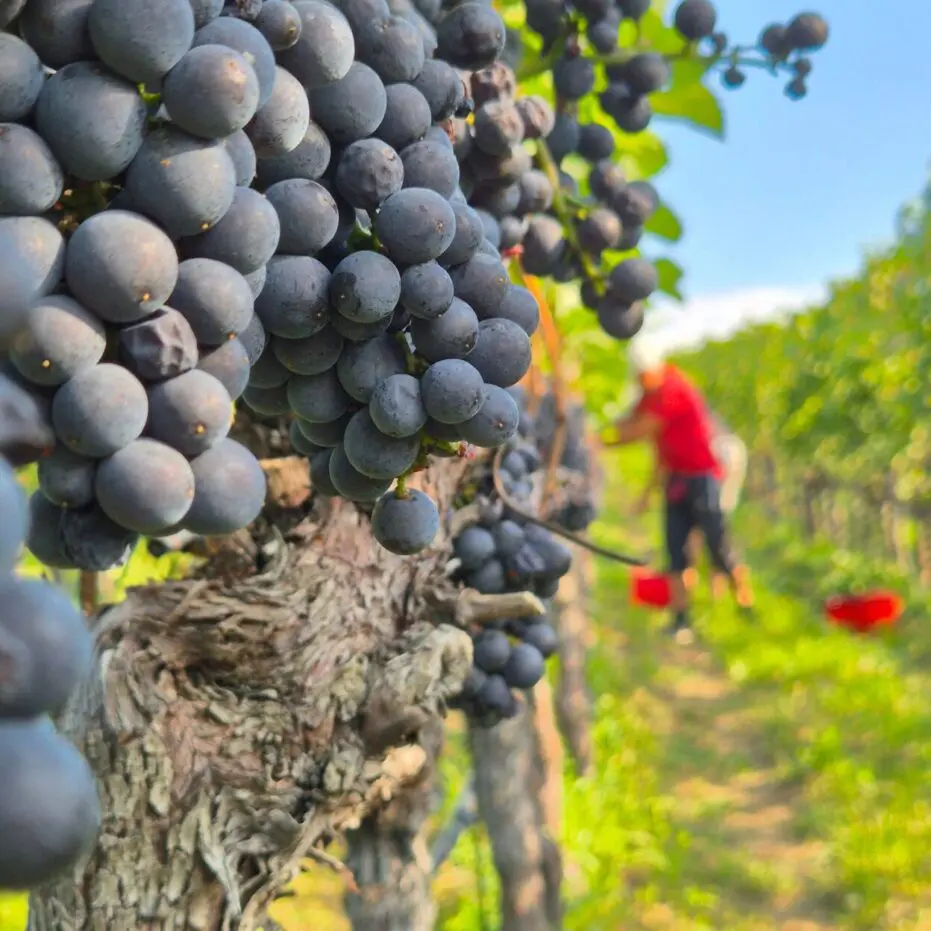
Kellerai Kaltern
Kellerai Kaltern
In Kaltern (Caldaro), high temperatures accelerated the growing cycle, bringing the harvest forward. The area’s range of altitudes proved to be a decisive asset. The higher-altitude sites delivered particularly impressive results for the white wines. These show a good balance of ripeness, acidity and aromatic precision.
The red grapes reached full maturity, yielding wines with intensity, structure and concentration.
“Choosing the right time to harvest was crucial in maintaining the balance between concentration, elegance and freshness,” explains cellar master Thomas Scarizuola. “Conditions during the harvest were virtually ideal, and yields are satisfactory and well balanced.”
Trentino
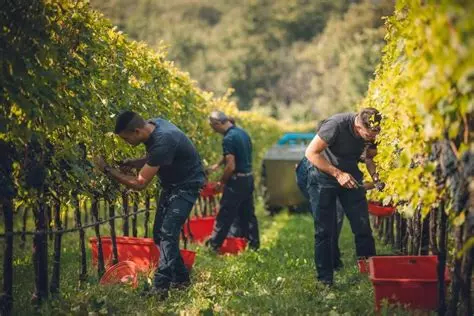
Tenuta San Leonardo
Tenuta San Leonardo
At San Leonardo, the experience of 2026 shows that a vintage cannot be read solely through the lens of early ripening. After picking the first Merlot grapes on 27 August, the estate chose to pause and wait: the main harvest began around 7 September, while Carmenère and Cabernet Sauvignon followed at an even more leisurely pace.
“Despite a very hot summer, the estate’s location and the shade provided by the mountains protected the vines. The grapes were particularly healthy, beautiful and abundant, while alcohol levels remain surprisingly moderate, often at around 12.5%,” explains producer Anselmo Guerrieri Gonzaga.
Piemonte
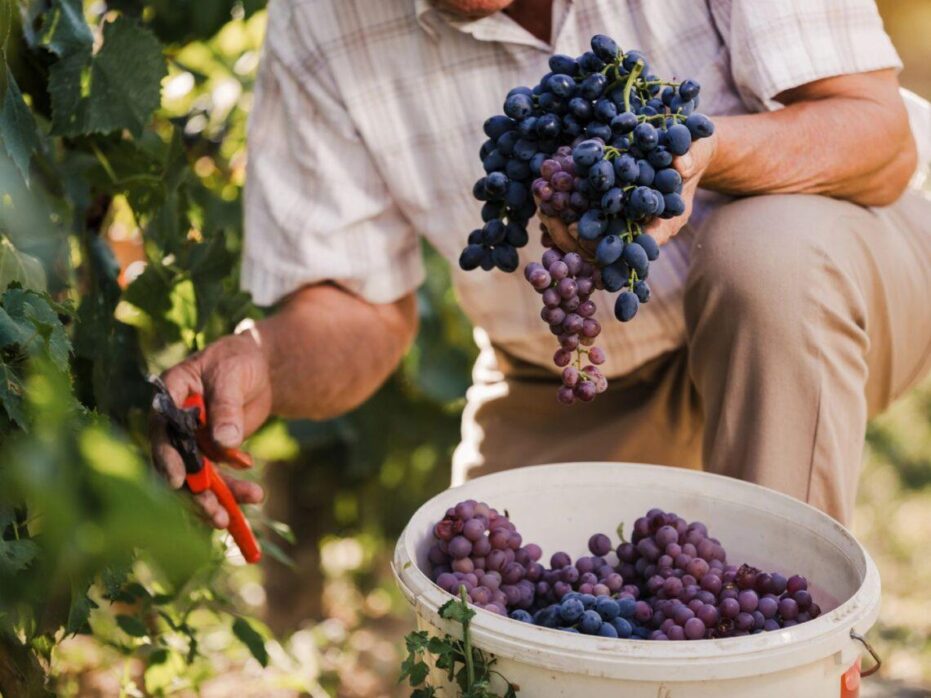
Parusso
Parusso
“The grape harvest is progressing well,” says Marco Parusso. “Despite the high temperatures, the work carried out in the vineyard over recent years has enabled us to support the ripening process without bringing the harvest forward excessively. In fact, we are almost in line with last year’s schedule.”
The differences between diurnal temperatures in recent weeks, ranging from 12°C at night to 28°C during the day, are helping the grapes through the final stages of ripening. The harvest of the white grapes, and Barbera and the Nebbiolo destined for Langhe Nebbiolo is now complete. The picking of the grapes destined for Barolo began in early October.
“At the moment, the grapes look beautiful, while the foliage is naturally beginning to lose its deepest green colour: signs of well-advanced phenolic ripeness, with the tannins becoming sweeter and softer and the acidity gradually coming into balance. The current conditions therefore make us very confident about the quality of the vintage.”
Lombardy
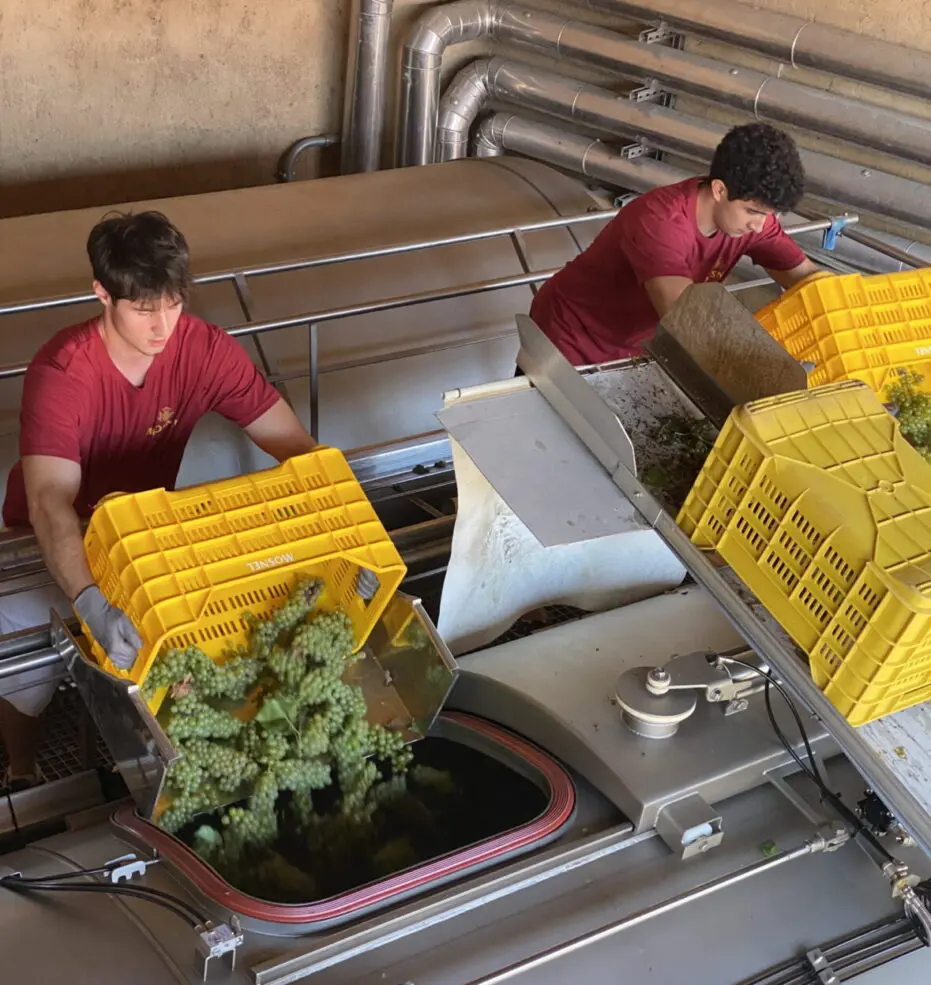
Mosnel
Mosnel
In Franciacorta, the intense heat significantly accelerated ripening. The harvest began on 3 August and ended on 17 August. This was the earliest in Mosnel’s 190-year history.
“It was a demanding vintage, requiring great care both in the vineyard and in the cellar, where even cooling the musts proved challenging,” says Giulio Barzanò.
“The initial results are encouraging, however: the scents and aromas of the wines give us reason to be optimistic, while we await the first tastings and assessments, which will allow us to define the character of the vintage more precisely.”
Liguria
Lvnae
Cantina Bosoni Lvnae
In Liguria, despite a summer marked by above-average temperatures, the vines showed no significant signs of stress. Healthy, undamaged grapes have been harvested plot by plot according to their varying levels of ripeness.
Initial impressions from the winery point above all to a good balance between alcohol and acidity.
“In the first Vermentino wines, the aromas are refined and elegant, offering promising indications of the character of the vintage,” confirms Diego Bosoni.
Tuscany
Castello di Querceto
Castello di Querceto
The 2026 grape harvest began around ten days earlier than in recent years, following the hot weather in July and August. “We began on 7 September, with very promising results in terms of quality: the grapes were healthy and fully ripe,” said producer Simone François.
Yields are expected to be modest, as the berries had remained small due to the lack of rainfall over the preceding two months.
“Sangiovese has been in the cellar for several days now, and we have just finished harvesting the later-ripening varieties, mainly Cabernet Sauvignon, in early October.”
Arillo in Terrabianca
Arillo in Terrabianca
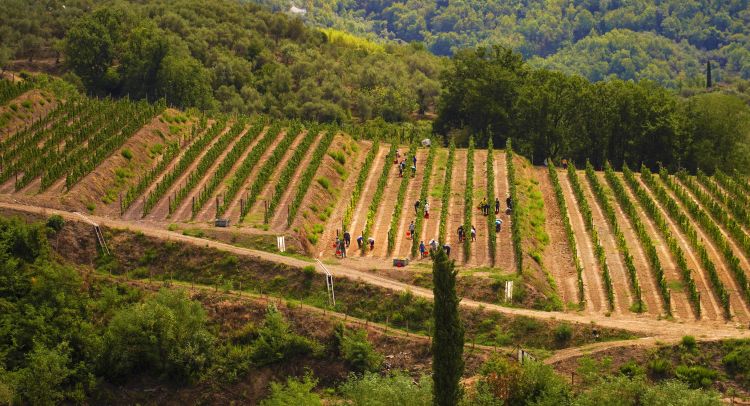
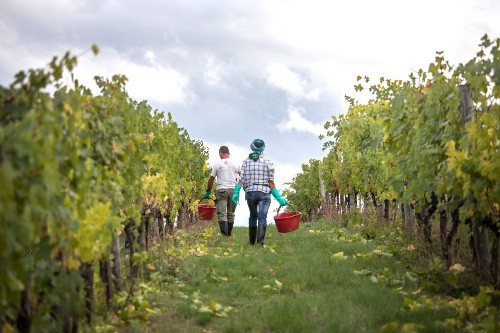
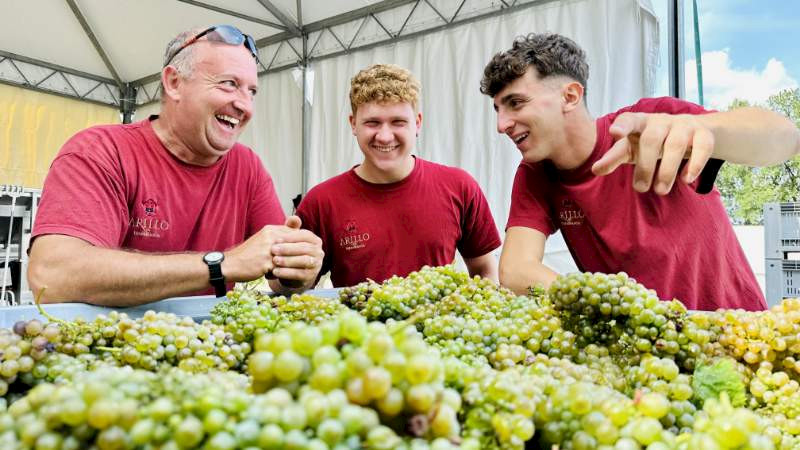
The character of 2026 was a cold, rainy winter, followed by temperatures well above average from mid-June onwards. The distinct soils and climates in Radda in Chianti, Massa Marittima and Pienza (the three locations of Arillo’s vineyards) shaped the vines’ response to these conditions. Overall, faster grape ripening advanced the harvest by around ten days, while rainfall between late August and early September helped to restore balance to the ripening process.
Winemaker Vieri Vannoni explains: “In the Maremma, yields were slightly lower, but quality is high; in the Val d’Orcia and Radda in Chianti, on the other hand, yields were good and ripening was more uniform.” The harvest is now complete.
Fattoria Le Pupille
Fattoria Le Pupille
A demanding vintage, shaped by daily decisions, hard work in the vineyard and constant adjustments to bring out the best in each variety and each plot.
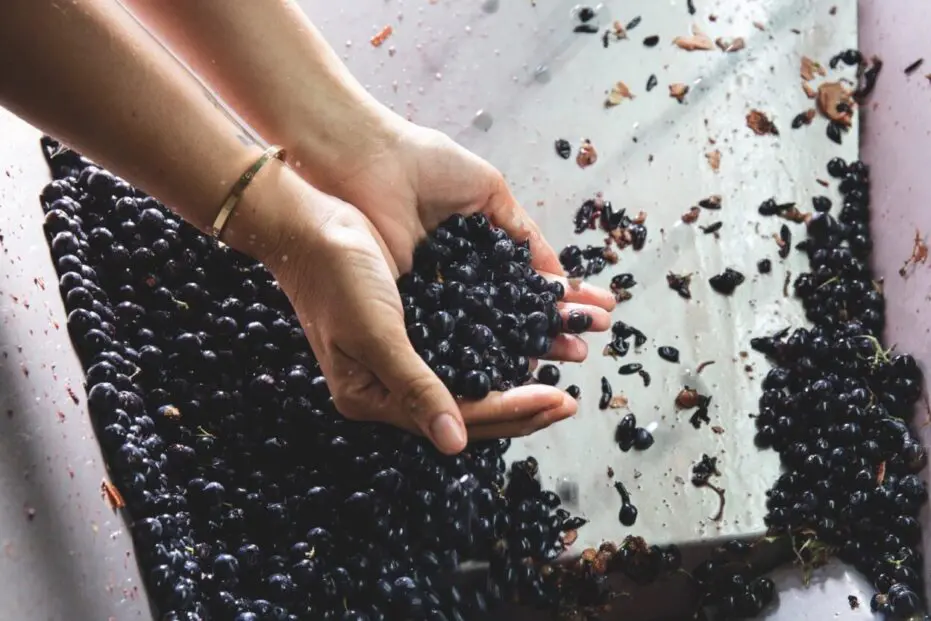
“The grapes were healthy at harvest, but the sun and, above all, the high night-time temperatures in August placed the vines under considerable strain.” The white grapes were of very good quality, while Sangiovese and Syrah gave excellent results. Cabernet Sauvignon and some Merlot were more severely affected by the heat.
Technical Director Ettore Arturo Rizzi remains positive: “In such a demanding vintage, the ability to observe and intervene at the right moment can lead to highly expressive wines.”
Puglia
Tenuta Liliana
Tenuta Liliana
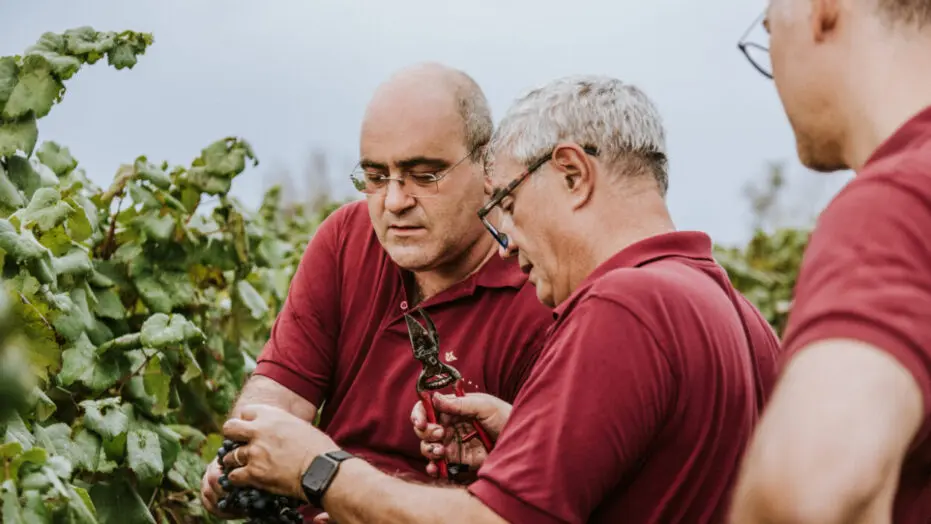
In Salento, sea breezes tempered the hot, dry summer. The grapes were in excellent condition at harvest, with moderate yields and good concentration. Harvesting began slightly earlier than usual, with Sauvignon Blanc in the first ten days of August, followed by Cabernet Sauvignon for rosé and then the grapes destined for red wine.
“Initial indications point to full ripeness and depth, without any loss of freshness or tension, with well-preserved natural acidity and favourable prospects for balanced, long-lived wines,” confirms oenologist Andrea Fattizzo.
And Finally
Vendemmia 2026 harvest suggests a common theme of a particularly hot growing season that brought picking forward in many areas. Despite the challenges of weather extremes, these producers report healthy grapes and encouraging early signs of excellence in the first wines.
Vendemmia is always a time of renewal, a time of optimism and hope, a time to celebrate challenges overcome and prepare for the future.
Here’s wishing you all a buona Vendemmia! Cin-Cin!
Notes
- A Deckchair Vintage is a pre-climate emergency trope. It refers to a growing season so benign that the wine producer can spend most of the time relaxing in a deckchair in the sun. As if any Vendemmia could ever be that!
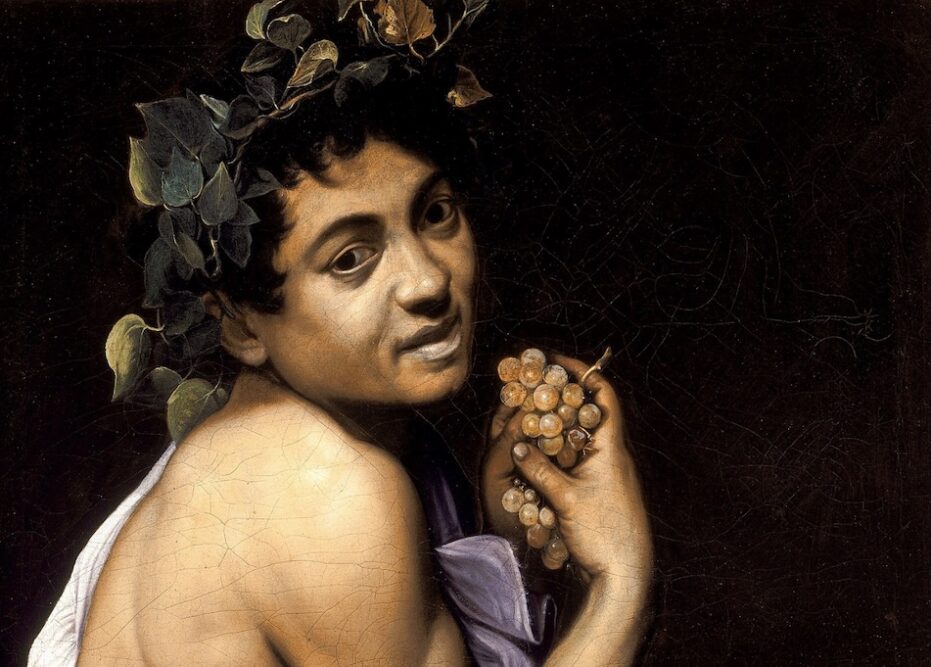
- As for Caravaggio, he was very ill when he painted this portrait of himself as Bacchus, so demonstrating resilience and courage in adversity as well as showing an amazing talent.