
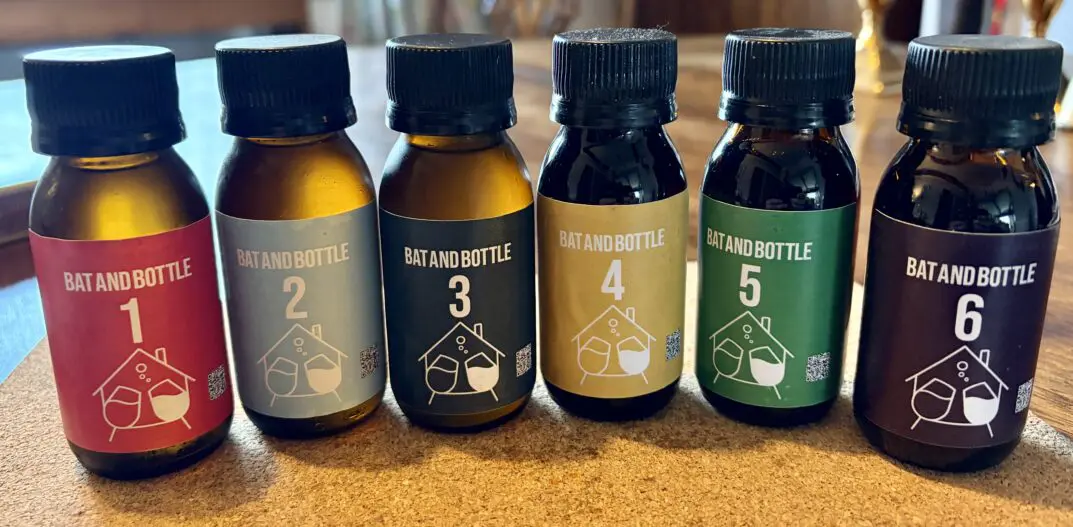
Vini Curiosity Online Mini-Tasting with Bat & Bottle
Recently, I had the pleasure of taking part in an online wine mini-tasting called Vini Curiosity, run by UK wine merchant Bat & Bottle. Ben and Emma Robson are the founders and owners of this Italian wine specialist in Rutland. I have known Ben and bought some of the Bat & Bottle wines for about twenty years.
Bat & Bottle concentrate on relatively unknown small producers. In turn, that means small production, frequently featuring rarer or lesser known grape varieties. There will also be artisanal wine making, where individuality, sustainability and terroir are important ingredients.
This is the path less taken, but the high quality wines stocked and likelihood of new discoveries make this a highly rewarding place for wine lovers that like to explore. However, that can still present barriers when buying and browsing online. After all, usually with online commerce you can’t try before you buy.
Vini Curiosity
Consequently, Vini Curiosity is designed to help overcome the risk of the unknown. Each quarter, a Vini Curiosity pack with a selection of six wine samples is sent to you by post. Each sample measures 75 cl, a snapshot contained in a screw capped glass mini-bottle, each individually numbered, 1-6. The pack arrives carefully packed with access to background information and tasting notes.
However, rather than leave it there, there is then a friendly online tasting which adds extra value to the proposition. That’s not just because it’s a chance to share and compare notes with Ben and other Vini Curiosity members.
In addition, the producers of the wine also participate online, so you get their first-hand explanation of the wines and of course, their insights and an opportunity to ask questions. This really personalises the experience, as near as to being at the winery itself. There’s no sales pressure at all, and members get a 10% discount on the usual retail price.
Background
Created in 2015, the Vini Curiosity idea really achieved fruition in 2020 when we were all in lockdown due to Covid-19. During Covid, postal samples and online meetings became relatively commonplace, as it was the only way to participate and remain socially distant.
Post-Covid, most of these online tastings ceased in wine retail, though they still happen within the wine trade. However, Bat & Bottle continued, as Vini Curiosity is about adding customer value rather than overcoming the restrictions of Covid. Hence, it’s still a great no-risk way to try new wines and to meet the people who make them.
After receiving my pack, the wines were tasted “blind” without reference to the notes. Afterwards the excellent notes were read before watching a recording of the online tasting.
The wine line-up on this occasion was sparkling first, then two still dry whites, then three still reds. In the spirit of the mini-samples, the notes below are concise. The prices given are the retail prices at Bat & Bottle, before discount.
Here we go.
Vini Curiosity wines
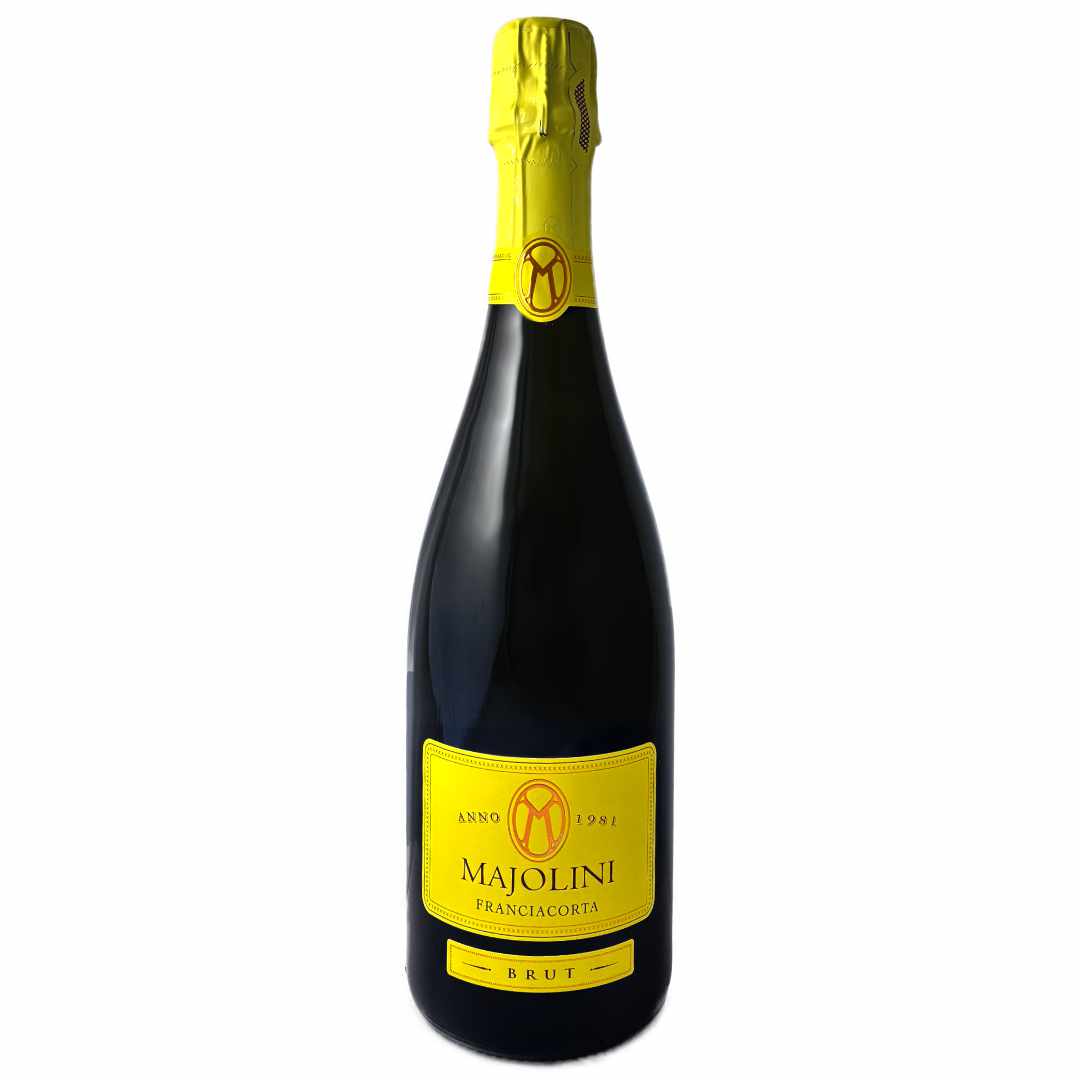
Majolini. Franciacorta DOCG Brut NV (2022)
1. Majolini. Franciacorta Brut, DOCG, Lombardia, 2022. 12.5%
This is one of the great sparkling wine producers in Franciacorta, which I have visited. In fact the first visit was after a bottle of their Brut NV bought from Bat & Bottle! This wine is 10% Pinot Noir and 90% Chardonnay. Majolini are at a relatively high altitude (175-505 metres) with steep limestone slopes that demand hand picking.
First fermentation is in stainless steel, with ageing on the lees for 9 months, without malolactic to preserve freshness. Being Metodo Classico, secondary fermentation is then for 30 months in bottle before disgorgement (in April 2024). This example is technically an NV, though Majolini usually makes the wine from one vintage (the 2022 here can be deduced from the lot number on the label).
This pale yellow wine has fast tiny bubble streams. On the nose, lemons, a little peach and hazelnut, and clearly a Chardonnay-dominant cuvée. Palate adds ginger biscuit and almond complexity. Fresh and incisive, there’s a moreish salinity on a long fade. Brut in style, so drink as an apèritif or try it with Sashimi/Sushi or smoked salmon.
Surviving the transfer to a mini-bottle remarkably well, this wine is an easy recommendation and a great introduction to the Majolini range.
£33.00
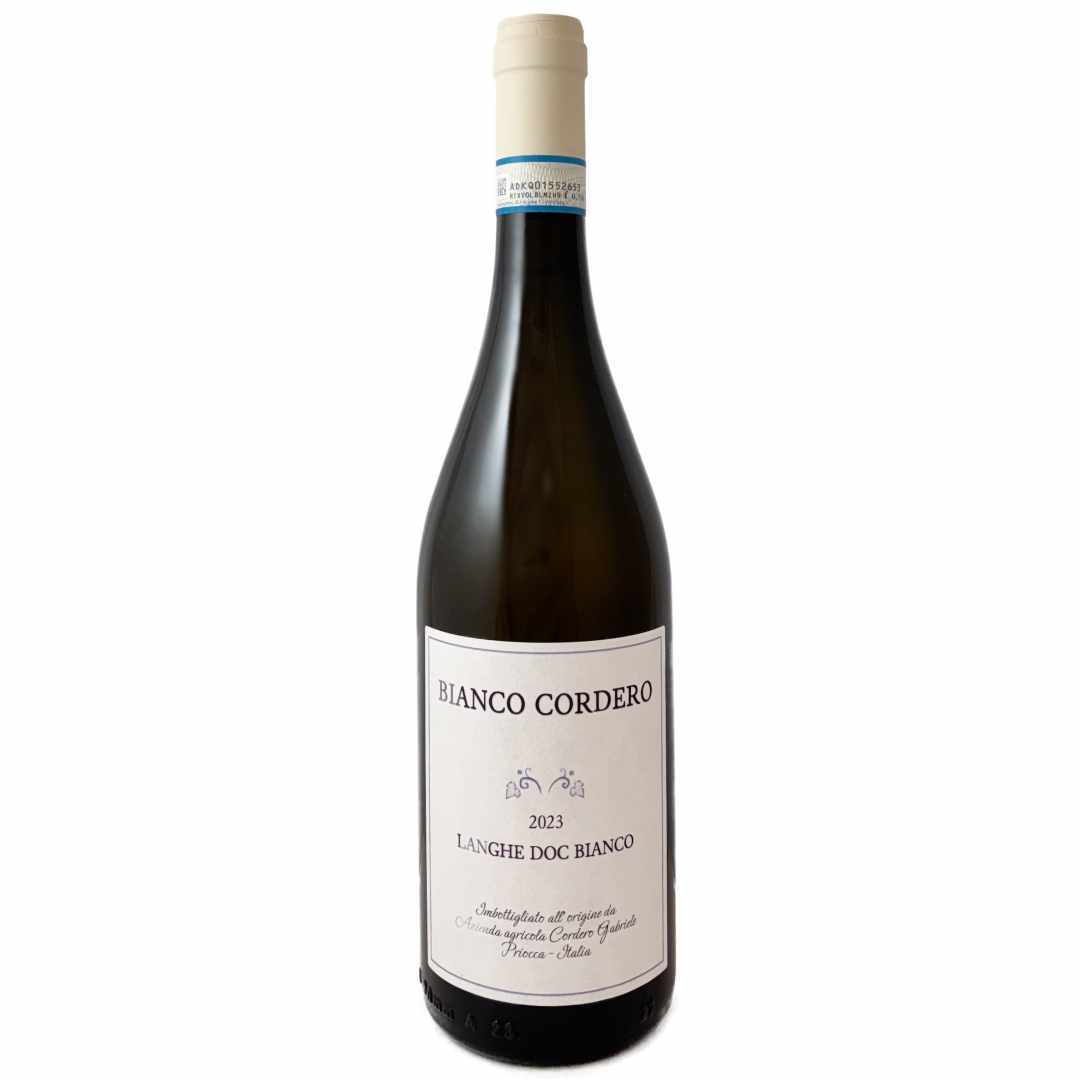
Gabriele Cordero. Langhe Bianco DOC, Bianver. 2023
2. Cordero. Bianver, Langhe DOC Bianco, Piemonte. 2023. 13.5%
Gabrielle Cordero, who makes this Bianver (and also the Barbera later on) is a new name to me, being based in the Roero area of Piemonte. This is in the village of Priocca, which is between Alba and Asti. It’s a small Azienda with eight hectares of vines, though the winery also has the capacity to make contract wines. You would expect to find Nebbiolo, Barbera and Arneis on these sand and clay soils. But not Bianver, a white grape variety close to extinction, planted here in 2020.
I have never encountered Bianver, a variety only registered in Italy in 2018, and authorised by the Langhe and Pinerolese DOCs in Piemonte.
The grapes are hand picked, chilled overnight, then low-temperature fermented in steel tanks with wild yeasts. The wine then sits on the lees with regular stirring for seven months and sees no wood. Only 2,000 bottles are made on average each year.
The wine has a greenish tint and a remarkable aromatic profile. Aromas are intense, initially ripe tropical fruit, though there’s a herbal green, fennel-like note too. This reprises on the palate, a complexity of flavours that suggested a blend rather than a single variety and with a delightful viscosity, balancing alcohol and acidic tension before a long satisfying finish. An outstanding wine that has the structure to accompany fish, seafood and white meats.
On this evidence, Bianver should follow in the footsteps of other rare Piemontese whites varieties like Timorasso, Nascetta and Rossese Bianco, and become much more popular.
£37.50
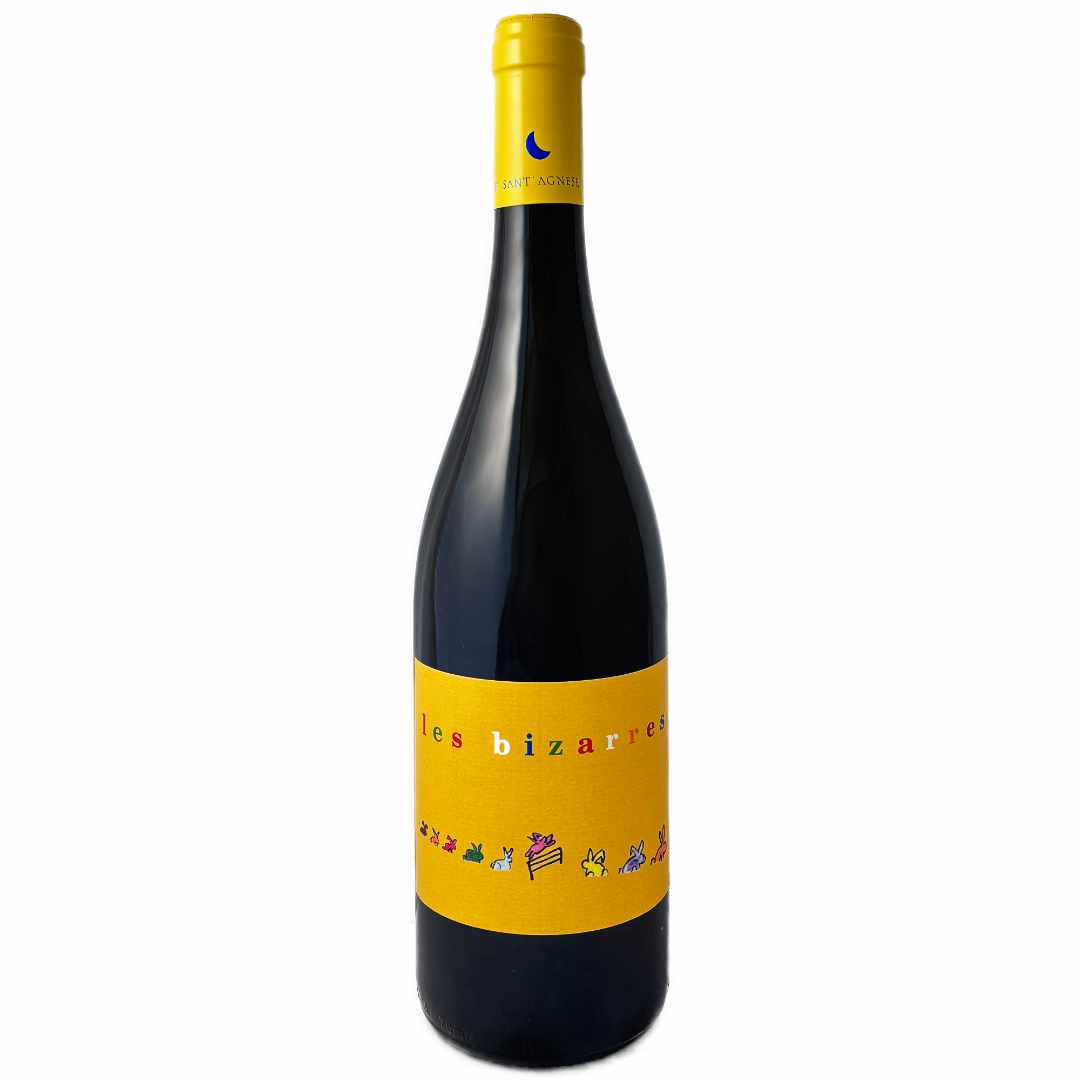
Sant’ Agnese. Les Bizarres Viognier, Toscana IGP, 2021
3. Sant’ Agnese. Viognier, Les Bizarres, Toscana IGP, 2021. 14.5%
Les Bizarres is a 100% Viognier, made in an unusual way from one hectare of vines growing on the windy Tuscan coast at Piombino. Winemaker Paolo Gigli makes only 650 bottles of this wine, and this was the first vintage made. Viognier is famous for its journey from near-extinction in France to world-wide appeal during the 1990s and is now relatively common around these parts.
Here, hand picked bunches get cold maceration before a spontaneous fermentation. I’m told this takes place in a plastic bin – very garagiste! During fermentation, more fresh Viognier grapes are added to the must, which presumably adds even more body, fruit and alcohol. The wine was then matured in a sealed tank for two years before bottling without sulphur or clarification.
The result is a wine that suits Paolo’s stated dislike of excessive acidity. Viognier can never be accused of having that, and indeed here there is only just enough acidity to balance the natural big alcohol that is a Viognier hallmark. A slightly hazy (this is unfiltered) yellow. As you would expect, the Viognier perfumes are delightful – jasmine to the fore, with apricot fruit, lychee and orange/lemon citrus peels. It’s a big powerful wine, with an attractive hint of tannins in the cheeks and a honeyed dry finish.
From a purely commercial perspective, adding a splash of Vermentino (as some others do) would be helpful. But there again I’m very glad that Paolo is making a wine according to his personal taste, just as an artisan should!
£36.75
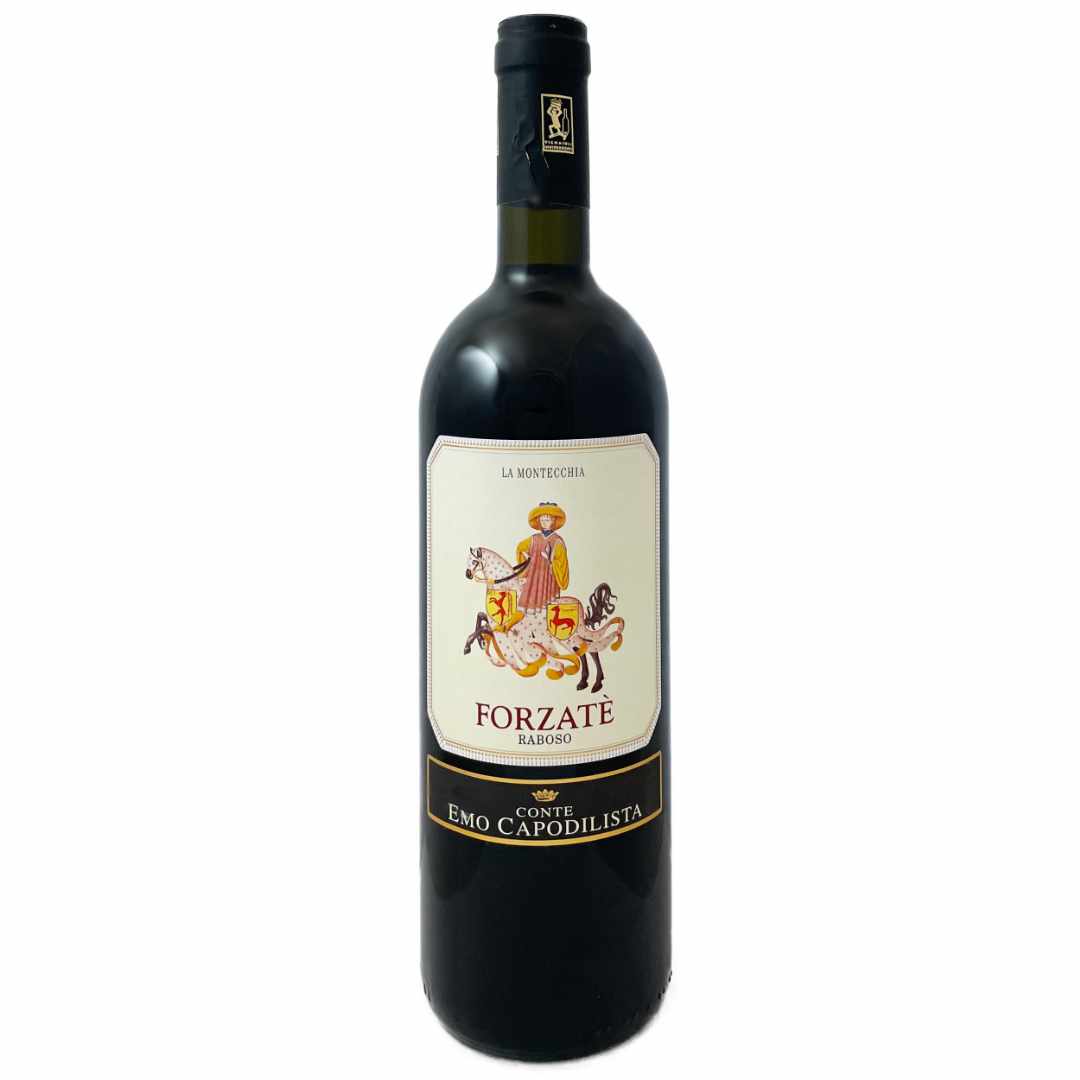
Conte Emo Capodilista. Forzatè, Raboso, Veneto IGP. 2021
4. Conte Emo Capodilista. Forzate, Veneto IGP, 2021. 13%
Conte Emo Capidolista is near Padova in the Veneto, the family Villa perched on a volcanic hilltop in the Colli Euganei. This area, full of art, history and natural beauty, is a favourite haunt of mine so it’s not surprising that I have visited in the past. The family were one of the founders of the Venetian Republic and the business is one of Italy’s oldest, stretching back 22 generations.
Their La Montecchia winery has 45 hectares of vines, but the grape variety that especially speaks to me is the native red Raboso. Or rather, the close relations Raboso Piave and Raboso Veronese, blended 60/40. The Raboso varieties are very distinctive and memorable, with big tannins and ferocious acidity, though alcohol is moderate. So making Raboso isn’t easy, so it’s all the more satisfying when you find a great one.
These are old organically farmed low density planted vines, which are north facing. Harvest is not until November and afterward the grapes are dried for a short unspecified time. That maximises the sugars to generatie sufficient alcohol while taming the acidity and softening the tannins. It doubtless adds complexity as well. Fermented in stainless steel, it matures in traditional big Slavonian oak casks for a year.
Typically deep ruby colour, this wine has delightful aromatics, with damson, dark cherry and peony notes. Reprised in the glass, those tannins have had their edges smoothed off, the acidity is high but not obtrusive and the fruit complex – damsons again, with something herbal in the background and perhaps some anis and spice from the wood. It’s a lovely wine that will go with a wine range of meats or mushrooms. But really, just bring Ragù. Lot’s of Ragù. A total bargain, so I bought some.
£17.30
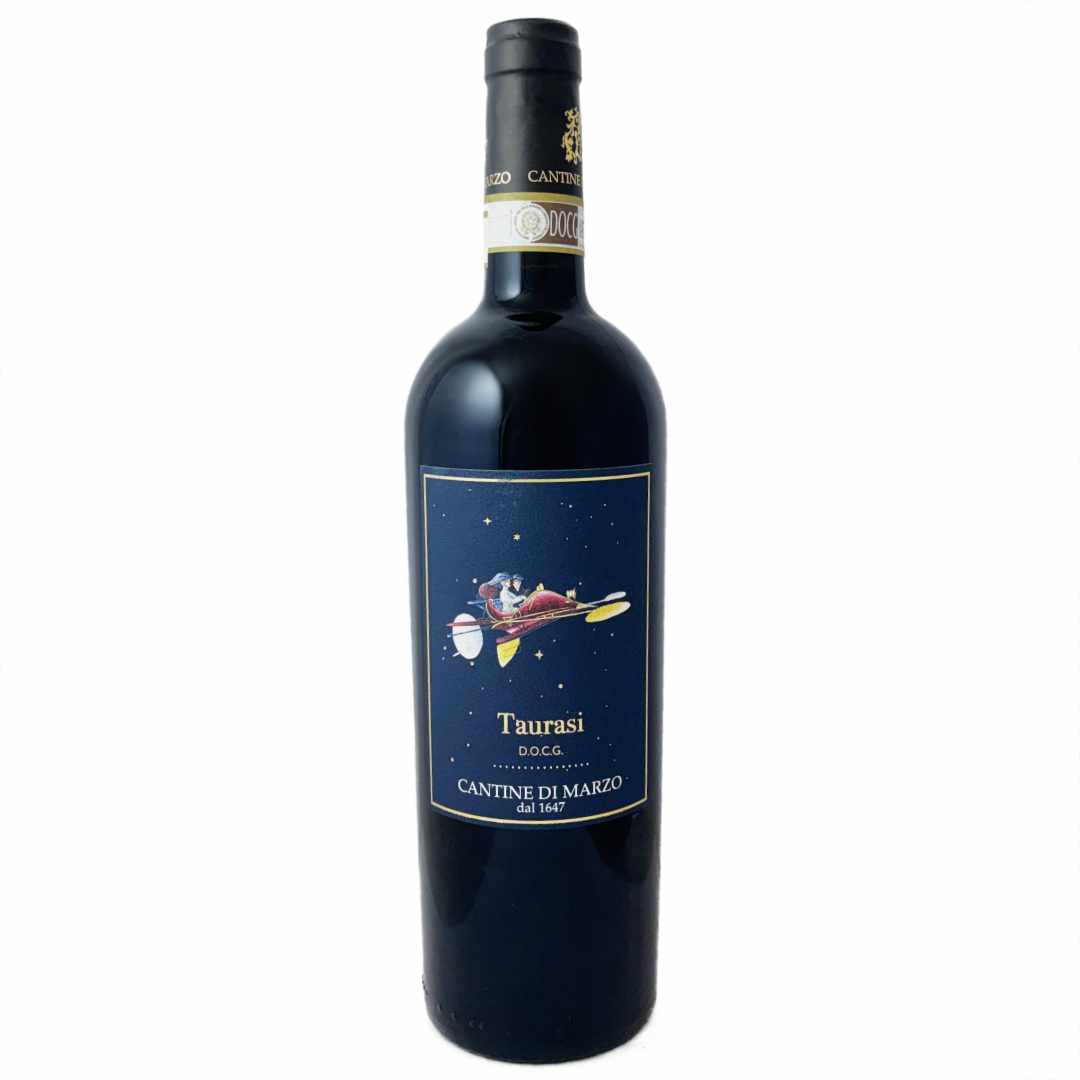
Cantine di Marzo. Taurasi DOCG. 2019
5. Cantina di Marzo. Taurasi DOCG, Campania, 2019. 13.5%
Aglianico is a wonderful red grape and one of its apogees is Taurasi, high up on Campania’s volcanic ash from Mount Vesuvius. Cantina di Marzo grow this and Greco di Tufo white. Cantine di Marzo was not known to me. It dates back to 1647 and was responsible for introducing Greco grape here.
The Aglianico is picked in October, the bunches then being destemmed and fermented quickly at relatively high temperatures, before ageing for two years. That’s all in stainless steel. Only then is the wine transferred to 500 litre French oak tonneaux for a further two years maturation.
This is dark and dense, a ruby rim and a blackish core. A huge, initially raisiny nose, resolves into loganberry, pomegranate and dark plum, with some brown baking spices. The palate shows that the tannins are resolving but still have a little way to go. The fruit flavours are in the dried spectrum, such as raisins and prunes. This wine is intense, with agility thanks to moderate alcohol and refreshing acidity. The long finish offers an iron-like mineral sensation. Furthermore, the wood, being a mix of ages, is not intrusive.
One for big hearty winter foods for sure – a big stew or a trad Sunday Roast, then hard cheeses and a final glass taken by a roaring fire.
In short, this is a great Taurasi that in style chooses elegance over naked power and so is all the better for it. Cantine di Marzo is a winery that’s now high up on my must-visit list.
£39.00
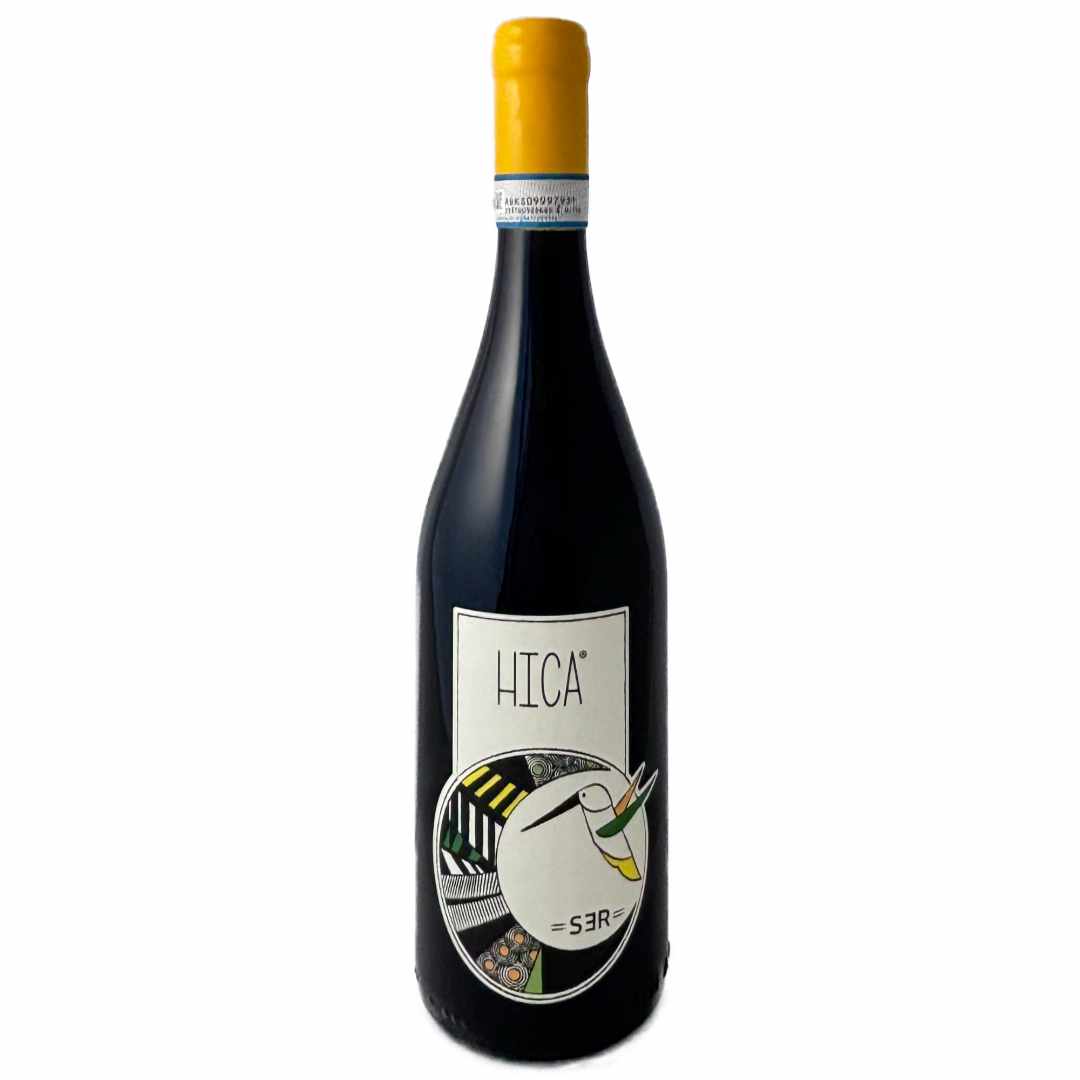
Gabriele Cordero, HICA, Barbera d’Alba Superiore DOC. 2023
6. Cordero. Hica, Barbera d’Alba Superiore DOC, Piemonte, 2023. 14.5%
Gabriele Cordero has already appeared above with Bianver. Here, it’s the turn of the more commonplace Barbera grape variety, but this red wine is anything but commonplace!
This is a small single-vineyard wine. After destemming, the grapes get a very long and slow 40-day spontaneous fermentation. Then this wine matures for nine months in mix of second use barriques and tonneaux.
A deep ruby colour, the aromas are light and lifted, featured dried flowers such a violets as well as red berries. The palate really does show well, being both generous and seamless. The fruit is generous, with blueberry, and blackberry kept fresh by the acidity and with a velvet texture. There’s also a raw, meaty undertow that gives way to a a long savoury finish.
This wine requires food, and so dishes like Lasagne, Cannelloni and Moussaka are just right.
The are plenty of cheaper Barbera’s but those tend to be rustic and unmemorable quaffers. Instead, here’s a genuine Superiore, one with sophistication that will happily develop further in bottle.
£37.50
And Finally
As for the results? Here are six great wines, from five producers. Two of those producers I have previously visited (namely Majolini and Conte Emo Capodilista). Moreover, you should know that I subsequently bought the Bianver white and the Raboso red wines from Bat & Bottle because of this tasting. So the Vini Curiosity model works!
Indeed, the Bianver white will get a separate full-length article later this year.
Why not try Vini Curiosity for yourself and discover something new? Full details about participation are on the Bat & Bottle website.
Location
Bat & Bottle Wine Merchants
18D Oakham Enterprise Park
Ashwell Road
Oakham
Rutland
LE15 7TU
UK